
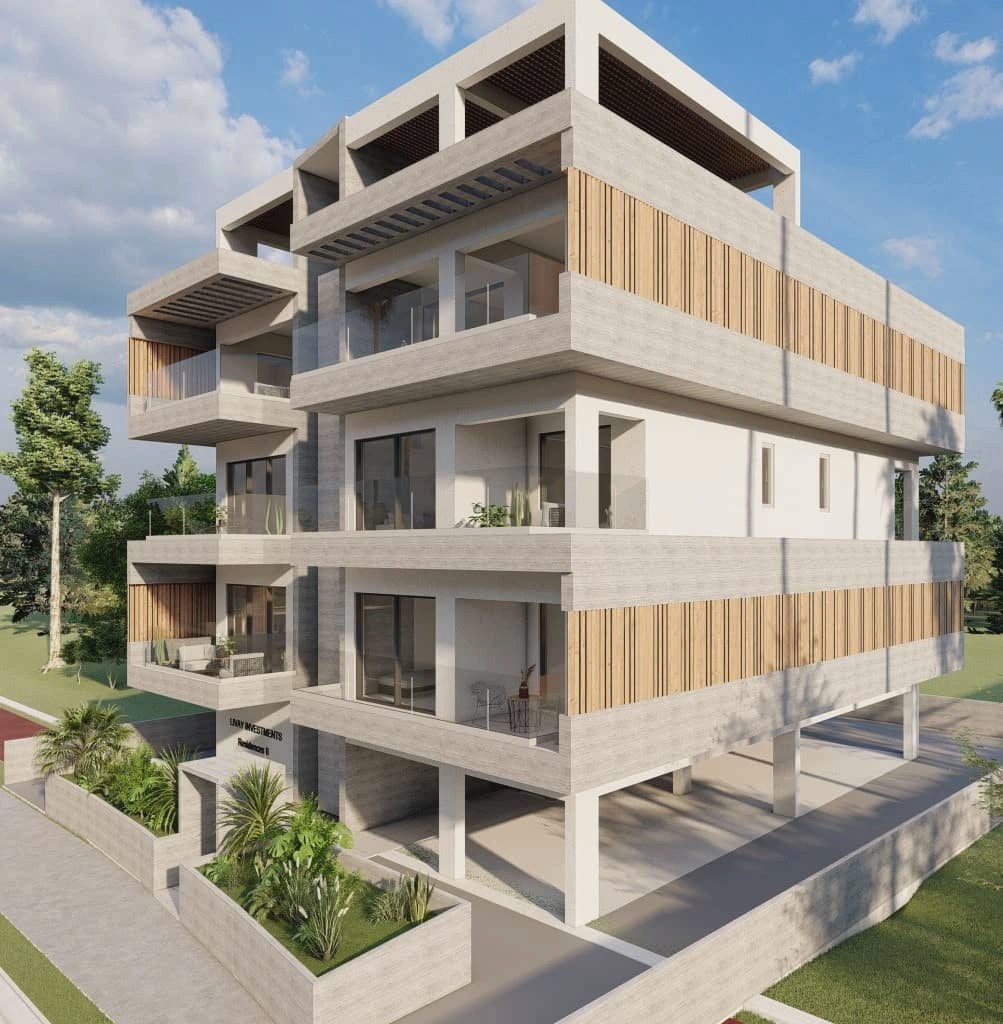
The Future of Limassol: Balancing Growth and Sustainability
Tag 1
Tag 2
Tag 3
03/10/2026
Property Blog
03/10/2026 | Property

Key Highlights
- Limassol is undergoing a significant transformation, driven by its 2030 vision to become a European Capital of Culture.
- The city is focusing on sustainable growth, balancing urban expansion with environmental responsibility.
- New development zones and emerging business districts are set to redefine the urban landscape.
- Foreign demand continues to influence the real estate market, impacting property values.
- The overall goal is to improve the quality of life for all residents through thoughtful planning and community-focused projects.
- A key part of this vision involves improving energy efficiency in new and existing buildings.
Introduction
Limassol is on the verge of a remarkable and significant transformation. More than just a popular city in Cyprus, it is embarking on an ambitious journey toward sustainable growth. This plan, centred on the "Lemesos 2030" vision, aims to redefine the city's future by blending its rich culture with modern innovation. This evolution is not just about physical changes; it's about creating a lasting legacy that will reshape the urban landscape and enhance community life, building on Cyprus's long history.
Projected Growth Areas in Limassol Up to 2030
The projected growth for Limassol in the coming years is set to be dynamic and diverse. While the city has been a dominant centre for decades, the next decade will see a decentralisation of development and profit. This shift will create new hubs of activity beyond the traditional city center.
Areas like Larnaca and West Limassol are poised for major expansion. The total investment in these new zones will spur economic activity, creating fresh opportunities for both residents and investors looking to be part of Limassol's exciting future.
Urban Expansion and New Development Zones
Urban expansion in Limassol is being carefully managed to create a more vibrant and connected city. The focus is not just on growing outwards but also on revitalising existing areas. The development plans extend beyond the immediate city center, aiming to spread growth more evenly across the region.
One of the most significant projects driving this change is the Larnaca port and marina renovation project. This massive undertaking is poised to transform Larnaca from a "transit city" into a primary competitor for investment, rivalling even Limassol. The goal is to create a modern, multifunctional waterfront that will attract businesses and residents alike.
By developing new zones, the city can accommodate its growing population without overwhelming existing infrastructure. This forward-thinking approach ensures that Limassol’s expansion is both strategic and sustainable for the long term.
Emerging Business Districts and Tourism Hotspots
Beyond residential growth, Limassol is cultivating emerging business districts and new tourism hotspots. The strategy is to create a diversified economy that isn't solely reliant on traditional sectors. This approach will place Limassol firmly on the European stage as a hub for both business and leisure.
A prime example of this is the area around the City of Dreams Mediterranean, Europe's largest casino resort. This zone is set to become a fully-fledged entertainment and residential cluster. Other key areas of focus include:
- Larnaca: The new port and marina will make it a major competitor for commercial real estate.
- Paphos: Its development as an educational and cultural hub will attract long-term investment.
- Tech Hubs: The creation of major technology centers in Limassol will generate demand for smart housing and office spaces.
These developments will transform the landscape, creating world-class destinations for tourists and powerful magnets for international business and talent.
Controlled Expansion versus Overextension
As Limassol grows, the key challenge is managing this progress without falling into the trap of overextension. The city's vision is rooted in the principle of controlled expansion, ensuring that development is thoughtful and beneficial for the entire community. The goal is to avoid the pitfalls of rapid, unplanned growth, which can strain resources and diminish quality of life.
This balance is crucial for sustainable urban growth. By implementing strategic planning and considering the long-term impacts of new projects, Limassol can expand its infrastructure and economy in ways that support its population and preserve its unique character.
Planning Strategies for Sustainable Urban Growth
Effective planning strategies are the bedrock of Limassol's vision for sustainable growth. The city is adopting a multi-faceted approach, learning from international best practices on urban development to ensure its expansion is both responsible and resilient. These strategies are among the most effective tools for building a future-proof city.
A core part of this plan involves a commitment to the "green agenda." Buildings that do not meet strict environmental standards will become less viable in the future. Some of the key actions include:
- Developing stable, long-term cultural institutions.
- Creating inclusive and accessible public spaces.
- Fostering innovation that harmonises with the city’s environment.
From the foundation stage of new projects, the focus is on creating a model of modern urban living that integrates culture and sustainability. This ensures that every development contributes positively to the city's long-term health and desirability.
Infrastructure Adjustments for Population and Industry
To support its growing population and expanding industry, Limassol is making significant infrastructure adjustments. The city understands that a strong foundation is necessary to sustain growth. State revenues, partly fueled by new energy resources, will be redirected to build new roads, modern medical centers, and educational clusters.
The Larnaca Port and Marina renovation stands out as the largest infrastructure initiative in Cyprus's history. With an investment exceeding €1.2 billion, this project is not just about upgrading a port; it's about elevating an entire city's economic potential and creating a world-class destination.
These adjustments are designed to accommodate the influx of new residents and businesses, ensuring the city can handle increased demand on its services. By investing in its core infrastructure now, Limassol is preparing for a prosperous and well-supported future.
The Impact of Foreign Demand on Limassol’s Real Estate
Foreign demand has a profound impact on Limassol’s real estate market. The city's growing reputation as a progressive hub for culture and innovation makes it an increasingly attractive destination for international investors. This influx of capital is a major driver of development across the property sector.
As Limassol continues to gain prominence, it's essential to monitor international investment trends. This external interest fuels construction and boosts property values, but it also presents challenges in maintaining affordability for local residents. Understanding these dynamics is key to navigating the evolving market.
Effects on Property Values and Housing Affordability
The surge in foreign investment directly influences property values and housing affordability in Limassol. As demand increases, especially for high-end properties and commercial spaces, prices naturally rise. This trend benefits property owners and investors seeking asset capitalization but can create challenges for local buyers. The price difference between properties at the foundation stage and completed projects highlights the potential for investment gains.
This dynamic creates a housing market characterised by a shortage of quality inventory and consistently high demand. While this boosts the value of real estate assets, it also strains affordability for many residents, making it harder for them to enter the property market.
| Market Factor | Impact on Property Values | Impact on Housing Affordability |
|---|---|---|
| Foreign Investment | Increases | Decreases |
| New Luxury Developments | Increases | Decreases |
| Tech Hub Emergence | Increases | Decreases |
| Infrastructure Upgrades | Increases | Neutral to Decreasing |
Managing these effects requires careful policymaking to ensure that, while Limassol welcomes investment, it remains a place where its residents can afford to live.
Market Dynamics and International Investment Trends
The market dynamics in Limassol are increasingly shaped by international investment trends. The government's strategy to attract global IT companies and high-net-worth individuals has created a robust flow of capital into the region. This has a significant effect on the total investment figures and market liquidity.
Investors are no longer just looking for a holiday home by the sea. The new trend is toward quality, technology, and strategic locations linked to new economic hubs such as IT parks and redeveloped ports. This shift indicates a more mature and sophisticated investment landscape, where long-term value is prioritised over short-term gains.
Understanding these evolving trends is crucial for anyone looking to invest in Limassol's future. The market is moving away from traditional models and toward a diversified, high-tech economy, and real estate investment strategies must adapt accordingly to succeed.
Conclusion
In conclusion, Limassol stands at a crossroads where growth and sustainability must go hand in hand. As the city prepares for significant expansion by 2030, strategic planning will be essential to manage urban development effectively while preserving its unique charm and environment. The impact of foreign investment and evolving market dynamics will further shape Limassol's real estate landscape, making it crucial for stakeholders to remain informed and adaptable. Embracing sustainable practices will not only enhance the quality of life for residents but also empower Limassol to thrive as a vibrant destination for both business and tourism. If you’re interested in exploring how these developments will affect your investments or living choices, feel free to reach out for more insights!
Frequently Asked Questions
How could changes in interest rates shape Limassol’s property market from 2026 to 2028?
Changes in interest rates in the coming years could directly impact Limassol's real estate market. Higher rates might cool down demand by making financing more expensive, potentially slowing price growth. Conversely, lower rates could boost market liquidity and total investment, making it easier for buyers to enter the market and stimulating further development.
Are modular homes gaining momentum as a sustainable solution in Limassol?
While not yet widespread, modular homes represent a promising sustainable solution for Cyprus. Known for their energy efficiency and reduced construction waste, they align well with the green agenda. As the real estate market evolves, these homes could become a popular choice for those seeking innovative and environmentally friendly housing options.
What policies and financial strategies are guiding Limassol’s balanced development?
Limassol’s balanced development is guided by key financial strategies and policies. A significant tax reform has reshaped Cyprus’s tax landscape, including an adjustment to the basic corporate tax rate. These measures are designed to attract sustainable international business while funding the infrastructure and community projects needed for growth.
SHARE THIS BLOG
DESIGN. DEVELOP. DELIVER.
DESIGN. DEVELOP. DELIVER.
DESIGN. DEVELOP. DELIVER.